
Manual Lymphatic Drainage London: A Gentle, Personal Approach to MLD
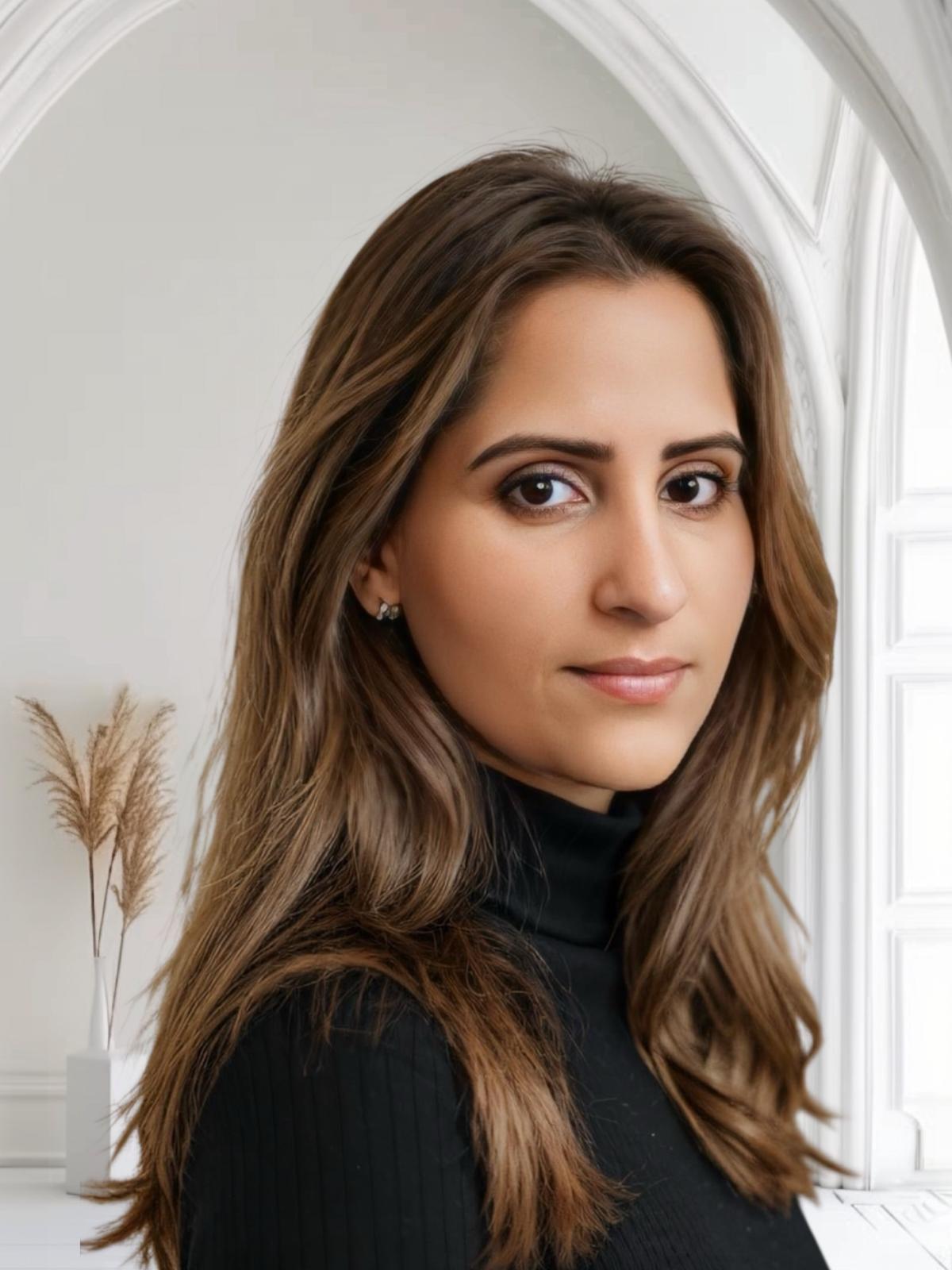

If you are looking for Manual Lymphatic Drainage in London, you may have questions about how it works, what happens during a session and how to find a practitioner whose approach feels right for you.
At Rakhee Mediratta Osteopathy, we offer Manual Lymphatic Drainage (MLD) as part of our wider range of complementary hands-on therapies. Our approach is centred on individual attention, gentle techniques and taking the time to understand each person's circumstances.
The clinic was founded by Rakhee Mediratta, a registered osteopath with many years of clinical experience. Over time, she has developed a practice bringing together different hands-on approaches and practitioners with varied professional backgrounds and areas of training.
Our MLD service reflects that wider approach. Anna Chuluunbat, who has completed accredited training in Manual Lymphatic Drainage, is among the practitioners offering this therapy. Her background also includes more than eight years of experience in neurology, pain and rehabilitation settings, alongside qualifications in reflexology and remedial massage.
Whether you are considering MLD for the first time or have had it before, our aim is to help you understand what a session involves, discuss any relevant health considerations and make an informed decision about whether it is suitable for you.
What is Manual Lymphatic Drainage?
Manual Lymphatic Drainage is a specialised, gentle hands-on technique that uses slow, rhythmic movements and very light pressure on the skin.
It is quite different from a conventional massage. Rather than working deeply into the muscles, MLD uses carefully applied movements following specific sequences and areas of the body.
To understand the technique, it helps to know a little about the lymphatic system.
The lymphatic system is a network of vessels, lymph nodes and tissues that forms an important part of the body's circulation. It helps maintain fluid balance by collecting excess fluid from body tissues and returning it to the bloodstream.
Manual Lymphatic Drainage uses gentle, structured movements that follow the pathways of the lymphatic system. The technique is used in specialist settings as part of care for certain lymphatic conditions, but it is important to distinguish specialist clinical treatment from a general wellbeing session.
At our clinic, MLD-style sessions are offered as a complementary wellbeing service. They are not a substitute for medical assessment or specialist lymphoedema care.
Why do people consider MLD?
People enquire about Manual Lymphatic Drainage for different reasons. Some are interested in a gentle session because they find traditional massage too firm. Others simply want to make time for a relaxing hands-on therapy.
You might be considering MLD if you:
Prefer a light-touch approach rather than deep tissue massage.
Would like to include a gentle session in your general wellbeing routine.
Find conventional massage uncomfortable or too intense.
Want to understand more about the lymphatic system and the techniques used in MLD.
Have questions about whether this type of therapy is appropriate for your individual circumstances.
These are common reasons for making an enquiry, rather than promises of a particular result. Everyone's health and circumstances are different, and no particular change or outcome can be guaranteed.
If you have persistent or unexplained swelling, it is important to speak to an appropriate healthcare professional before arranging a session. Swelling can have many causes, and it should not automatically be assumed to be a lymphatic problem.
A considered approach at Rakhee Mediratta Osteopathy
We believe that a good appointment starts with listening. Before any hands-on session, it is important to understand why someone is seeking a session and whether the approach being considered is appropriate.
Rakhee Mediratta established the clinic with an emphasis on individual care and a broad understanding of hands-on healthcare. She is a registered osteopath and holds a BSc (Hons) in Osteopathic Medicine. Her clinical background includes a range of manual approaches, and she has spent many years working with people with different health concerns.
The clinic brings together practitioners with different qualifications and experience. This allows us to offer a wider range of complementary therapies while recognising that each practitioner must work within the scope of their own training, professional experience and insurance.
For Manual Lymphatic Drainage, Anna Chuluunbat has completed an accredited MLD course at the London School of Massage. Alongside this training, she has experience in neurology, pain and rehabilitation environments, as well as qualifications in reflexology and remedial massage.
Her approach is calm and individualised, with attention given to each person's comfort, preferences and relevant health history.
We think it is important that people feel able to ask questions, explain any concerns and understand what a session involves before going ahead.
What happens during an MLD session?
A session begins with a conversation about your reasons for considering a session and any relevant health information. This helps the practitioner understand your circumstances and identify whether there are precautions or reasons to seek medical advice before proceeding.
The session itself uses very light, rhythmic movements applied to the skin. The technique is not intended to feel like a deep massage. Pressure and positioning should be adapted to the individual and the technique being used.
You can expect the practitioner to explain the approach and check that you are comfortable. If anything feels uncomfortable or you would like to pause, you should always feel able to say so.
The experience of MLD varies from person to person. Some people find the gentle approach relaxing, but there is no single response that everyone should expect.
Is Manual Lymphatic Drainage suitable for everyone?
No. Although MLD uses light pressure, that does not mean it is automatically suitable for every person or every health condition.
Certain medical circumstances may mean that a session should be postponed, adapted or avoided. If you have a diagnosed condition, are taking medication that may be relevant, have recently undergone surgery or have concerns about unexplained swelling, please discuss this with an appropriate healthcare professional before booking.
In particular, new or unexplained swelling should be medically assessed rather than treated as a routine reason for massage.
If you have been diagnosed with lymphoedema, you may need a specialist lymphoedema practitioner. Specialist management can involve more than MLD alone, and a general wellbeing appointment should not be considered a replacement for a clinical lymphoedema programme.
If you are recovering from surgery, always follow your surgeon's or treating clinician's advice and obtain clearance before arranging a hands-on session.
We would rather discuss your circumstances beforehand than proceed when another form of care or further medical advice is more appropriate.
Where can I have Manual Lymphatic Drainage?
Rakhee Mediratta Osteopathy offers appointments across its clinic locations, including London and Little Chalfont.
Availability and the practitioner providing a particular service can vary by location. When you enquire, we can help you establish which appointments are available and provide information about the practitioner, the session and its suitability.
You can find further information on our Manual Lymphatic Drainage London page.
Is Manual Lymphatic Drainage the same as a normal massage?
No. Traditional massage often involves working on muscles and soft tissues, sometimes using firmer pressure. MLD uses much lighter, rhythmic movements and follows specific sequences associated with the lymphatic system.
Does MLD hurt?
MLD is generally a very gentle technique and should not involve the firm pressure associated with deep tissue massage. Your comfort should be checked throughout the session.
How long does a session last?
Appointment lengths can vary. Please check the current appointment options when contacting the clinic, as the first appointment may include time to discuss your circumstances as well as the hands-on session.
How often should I have MLD?
There is no single schedule that is right for everyone. Frequency depends on the reason for the session and the individual's circumstances. For general wellbeing, it is best to discuss your preferences with the practitioner rather than assume that a course of sessions is necessary.
If you are receiving care for a diagnosed medical condition, follow the advice of the healthcare professionals responsible for your treatment.
Is MLD used for lymphoedema?
Manual Lymphatic Drainage is used as one component of specialist lymphoedema management. However, a general wellbeing MLD session is not the same as a specialist lymphoedema treatment programme. If you have lymphoedema, speak to your healthcare team about the appropriate practitioner and care plan.
Can I have MLD after surgery?
That depends on the type of surgery, how recently it took place and how your recovery is progressing. You should always obtain advice and clearance from your surgeon or treating clinician before arranging a session.
Find out more about Manual Lymphatic Drainage in London
Choosing a hands-on session is a personal decision. It is important to understand the technique, know the practitioner's training and feel comfortable discussing your needs.
At Rakhee Mediratta Osteopathy, we aim to provide a thoughtful and welcoming approach to complementary care. Our practitioners bring a range of experience and qualifications to the clinic, with individual sessions provided within the appropriate scope of practice.
If you would like to find out more about Manual Lymphatic Drainage in London, or ask whether an appointment may be suitable for you, please contact the clinic. We will be happy to explain the service and answer your questions.
Important information: Manual Lymphatic Drainage appointments at the clinic are offered as a complementary wellbeing service. They do not diagnose, treat, cure or prevent medical conditions and do not replace medical assessment, advice or care. Suitability depends on individual circumstances. Medical advice or clearance may be needed before a session.
Written by Rakhee Mediratta and reviewed November 2026 Registered Osteopath, General Osteopathic Council (GOsC registration 6576)BSc (Hons) Osteopathic Medicine, British College of Osteopathic MedicineAdvanced Licensed Perrin Technique Practitioner


