
Osteopathy's Transformative Impact on Fibromyalgia Relief using The Perrin Technique
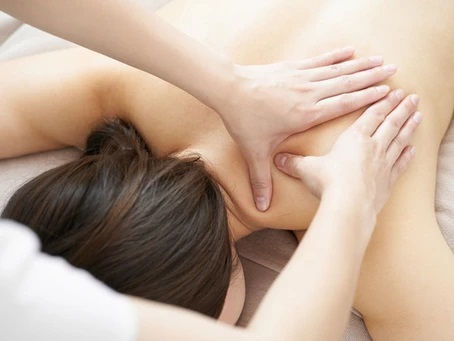
For those living with the wide-ranging effects of fibromyalgia, finding specialist care that addresses the condition's complexity — rather than targeting individual symptoms in isolation — is central to effective management. Fibromyalgia treatment London at Rakhee Osteopathy takes a comprehensive, whole-body approach that considers each patient's unique symptom pattern, lifestyle factors, and overall wellbeing. Fibromyalgia affects every person differently, and all treatment at the clinic is tailored accordingly. Responses to care will vary between individuals.
Understanding Fibromyalgia and Its Impact
Fibromyalgia is a chronic condition characterised by widespread musculoskeletal pain, persistent fatigue, sleep disturbance, cognitive difficulties, and areas of heightened sensitivity throughout the body. Its impact on daily life can be profound — affecting physical function, sleep quality, emotional wellbeing, and the ability to manage routine activities. The condition's unpredictable nature, including the occurrence of flare-ups, can make it particularly difficult to navigate without specialist support.
What makes fibromyalgia challenging to manage is its multisystem involvement. Pain sensitivity, nervous system dysregulation, disrupted sleep, and musculoskeletal tension interact in ways that require a genuinely holistic treatment approach — one that looks beyond the immediate site of discomfort to understand the broader physiological picture.
The Osteopathic Approach to Fibromyalgia at Rakhee Osteopathy
At Rakhee Osteopathy, each patient presenting with fibromyalgia undergoes a thorough individual assessment that considers their symptom profile, pain patterns, sleep quality, stress levels, and lifestyle factors. This detailed picture forms the foundation of a treatment plan that is genuinely bespoke — shaped by the individual rather than applied from a standardised protocol.
Osteopathic treatment for fibromyalgia at Rakhee Osteopathy draws on a range of gentle manual techniques, including soft tissue manipulation, joint mobilisation, myofascial release, and cranial osteopathic approaches. Given the heightened nervous system sensitivity characteristic of fibromyalgia, treatment is always adapted to each patient's current tolerance — techniques that might be appropriate for other musculoskeletal conditions can exacerbate symptoms in this patient group, and care is taken to work within individual limits at every stage.
Pain, Muscle Tension, and Circulation
Widespread muscle tension and restricted circulation are common features of fibromyalgia that osteopathic treatment can help to address. Gentle manipulative techniques aim to release tight muscle groups, improve blood and lymphatic flow, and reduce the physical burden that chronic tension places on an already sensitised system. Over time, reducing this tension may support improvements in pain levels and overall physical comfort — though the extent and pace of change will differ between patients.
Sleep and Nervous System Regulation
Sleep disturbance is one of the most significant and frequently reported challenges for fibromyalgia patients, and addressing it is an important part of care at Rakhee Osteopathy. Poor sleep quality amplifies pain sensitivity, creating a cycle that can be difficult to break without targeted support.
Cranial osteopathic techniques and soft tissue work along the cervical spine and thoracic region may help to stimulate the parasympathetic nervous system — supporting a shift away from the sustained sympathetic activation that characterises many chronic pain conditions, and creating conditions more conducive to restorative sleep. These approaches work with the body's own regulatory mechanisms rather than imposing change directly.
The Perrin Technique: Where Relevant
Where a patient's fibromyalgia presentation includes features consistent with autonomic nervous system dysregulation or lymphatic congestion — patterns shared with CFS/ME — The Perrin Technique may be incorporated as part of the treatment approach. Developed by Dr Raymond Perrin, this specialist osteopathic protocol addresses lymphatic drainage of the central nervous system and autonomic regulation through a structured programme of targeted manual therapy. Its inclusion is always clinically led and patient-specific.
Rakhee Osteopathy has been awarded twice by Dr Raymond Perrin himself for excellence in practising The Perrin Technique, and patients highly recommend the approach in the management of fatigue-related and chronic conditions.
Managing Flare-Ups and Pacing
The unpredictable nature of fibromyalgia — particularly the occurrence of flare-ups — is addressed as part of ongoing care at Rakhee Osteopathy. Understanding individual triggers and patterns helps to inform both the treatment approach and the practical guidance provided to patients around managing their condition day to day.
Pacing is a central principle of fibromyalgia management — helping patients to balance activity and rest in a way that avoids triggering flare-ups. Any guidance around movement or activity is always patient-specific and practitioner-led, taking into account current functional capacity. General exercise programmes are not prescribed, as they are not always appropriate for this patient group.
Where nutrition is raised as part of a broader conversation about health and symptom management, patients are directed to their GP, a registered dietitian, or a qualified nutritional therapist for personalised guidance.
Long-Term Support at Rakhee Osteopathy
Fibromyalgia management is a long-term process, and Rakhee Osteopathy provides ongoing support for patients seeking to maintain and build on progress made in treatment. Regular reassessment allows treatment plans to adapt in response to changes in the patient's condition, ensuring that care remains relevant and appropriate over time.
The aim throughout is meaningful, sustainable progress in symptom management — with realistic expectations discussed openly from the first appointment and patient education forming an integral part of the care provided.


Comments